

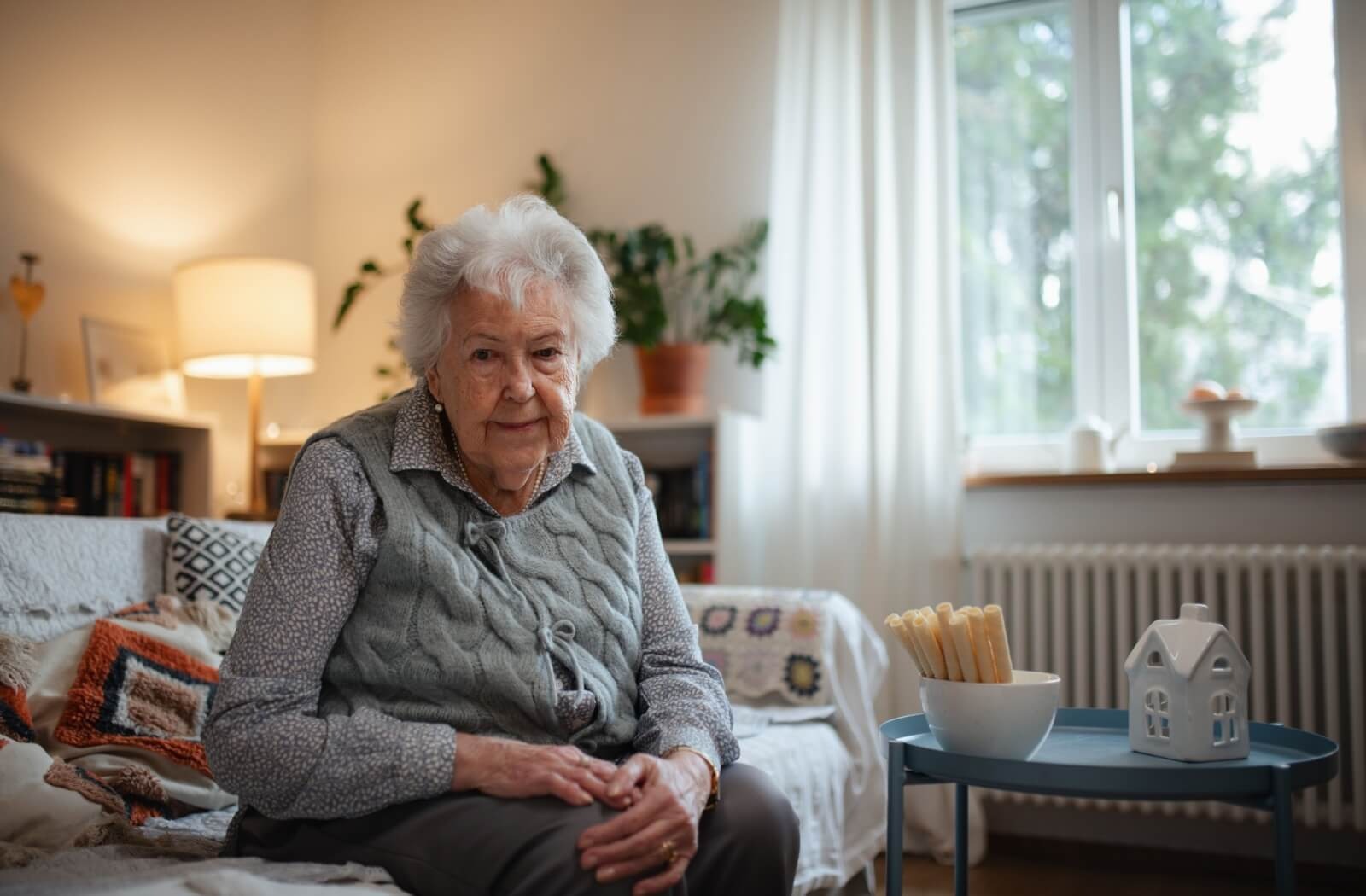
Changes in memory are often a part of the aging process, but sometimes, they’re a sign of something more significant. If you’ve noticed shifts in a parent’s memory, behavior, mood, or personality, it’s a delicate time. At this point, concern and love are key to helping your parent.
If you’re starting to wonder whether your parent is dealing with early signs of dementia, there are a few steady steps you can take. Paying attention to patterns, having a calm conversation, and seeking a professional evaluation can help you understand what’s happening and how to support them moving forward.
Key Takeaways
- Early signs of dementia may appear gradually and can include memory lapses, trouble solving problems, or personality changes.
- Watching for consistent patterns helps families understand when symptoms may require further attention.
- Supportive, calm conversations give parents space to share concerns without feeling pressured or criticized.
- A clinical evaluation can identify the cause of symptoms and rule out other health conditions.
- Preparing notes, reviewing medications, and attending appointments with your parent can help guide next steps.
How to Recognize the Earliest Signs of Dementia in a Parent
Changes related to dementia often appear gradually. You may notice a few things here and there that feel “off,” or you might see more noticeable shifts in how your parent manages everyday tasks. These moments don’t automatically mean dementia, but they do signal that something may be affecting their thinking or daily functioning.
So, watch for serious signs of cognitive changes, such as:
- Memory lapses that disrupt daily routines
- Difficulty planning or solving problems
- Trouble completing familiar tasks
- Mood or personality shifts
- Repeating questions or losing track of conversations
- Disorientation in familiar places
- Misplacing items more frequently
If you notice one or more of these, don’t ignore them. Instead, encourage your loved one to visit a healthcare professional. Sometimes, it could just be age-related changes in the brain, but it could also point to something serious developing.
How to Start a Conversation About Dementia Concerns
Talking with a parent about possible memory changes can feel intimidating. Your goal isn’t to diagnose them, though. It’s to create space for an honest, supportive conversation. A calm tone, patience, and clear examples can help the discussion feel respectful and grounded.
Choose the Right Time and Place
Find a moment when you are both calm and have plenty of time to talk. Choose a comfortable, private setting where you won’t be interrupted. This helps create a feeling of safety and trust.
Focus on Specific Observations
Use specific observations rather than broad statements. You might say, “I’ve noticed you’ve been having trouble finding certain words lately, and I wanted to check in.” Simple, concrete examples make your concern clear without sounding critical. Using “I” statements helps the conversation feel less like an accusation.
Encourage Small Next Steps
Instead of proposing major decisions, start with manageable steps. Suggest scheduling a check-up or reviewing medications together. However, you’ll want to keep suggestions small at this stage, because they may feel overwhelmed by their memory problems.
Offer Ongoing Support
Let them know you’re available to help however they prefer. They may need reminders, reassurance, or repeated conversations. Staying calm and consistent can make them feel understood rather than pressured, which can help prevent frustration and sadness.
When to Bring in Another Loved One
Sometimes it’s helpful to involve a sibling or another trusted person—especially if your parent responds better to certain voices. Together, you can frame the conversation around your concern for their well-being instead of their recent limitations.

The Importance of a Professional Evaluation
Once you’ve talked through your concerns, the next step is to seek a clinical evaluation. A doctor can look at the full picture, rule out other health conditions, and determine what may be contributing to the symptoms. Sometimes, memory issues can be related to other treatable health conditions, so a thorough check-up is important.
If you’re not sure where to begin, try:
- Scheduling an appointment with their primary care provider
- Bringing notes on the changes you’ve noticed
- Asking about memory screening or specialist referrals
- Reviewing medications that may affect cognition
- Attending the appointment with your parent for support
This evaluation provides clarity and helps you plan for the future.
Planning Ahead to Care for a Loved One With Dementia
Early planning allows families to feel more grounded. As symptoms progress, your parent may need more support with daily routines, safety, and social engagement. At this point, one option many families explore is memory care.
What Memory Care Is
Memory care is a supportive senior living setting designed for people with cognitive changes. These communities offer structured routines, secure environments, and dedicated teams trained to help residents navigate daily life with confidence.
This isn’t like other types of senior living. Instead of focusing on independence, memory care is about using a tailored approach to reduce dementia’s effects on your loved one’s life. With customized care plans, experienced caregivers, and more, memory care is a chance to restore dignity and respect despite dementia’s progression.
Planning Ahead to Care for a Loved One with Dementia
Recognizing changes in a parent’s memory or behavior can be emotional, but you don’t have to navigate it alone. By learning the signs of something wrong, you’ve already taken a big step forward. And here at Inspired Living at Ivy Ridge, we’re ready to help.In our memory care community, we can help you understand what’s happening and what steps may be most helpful. Here, your loved one can thrive, because we know how to help in a way that makes a significant difference. Our team is available to answer questions, talk through next steps, and show you what compassionate support can look like. Book a tour with us today to learn more!