

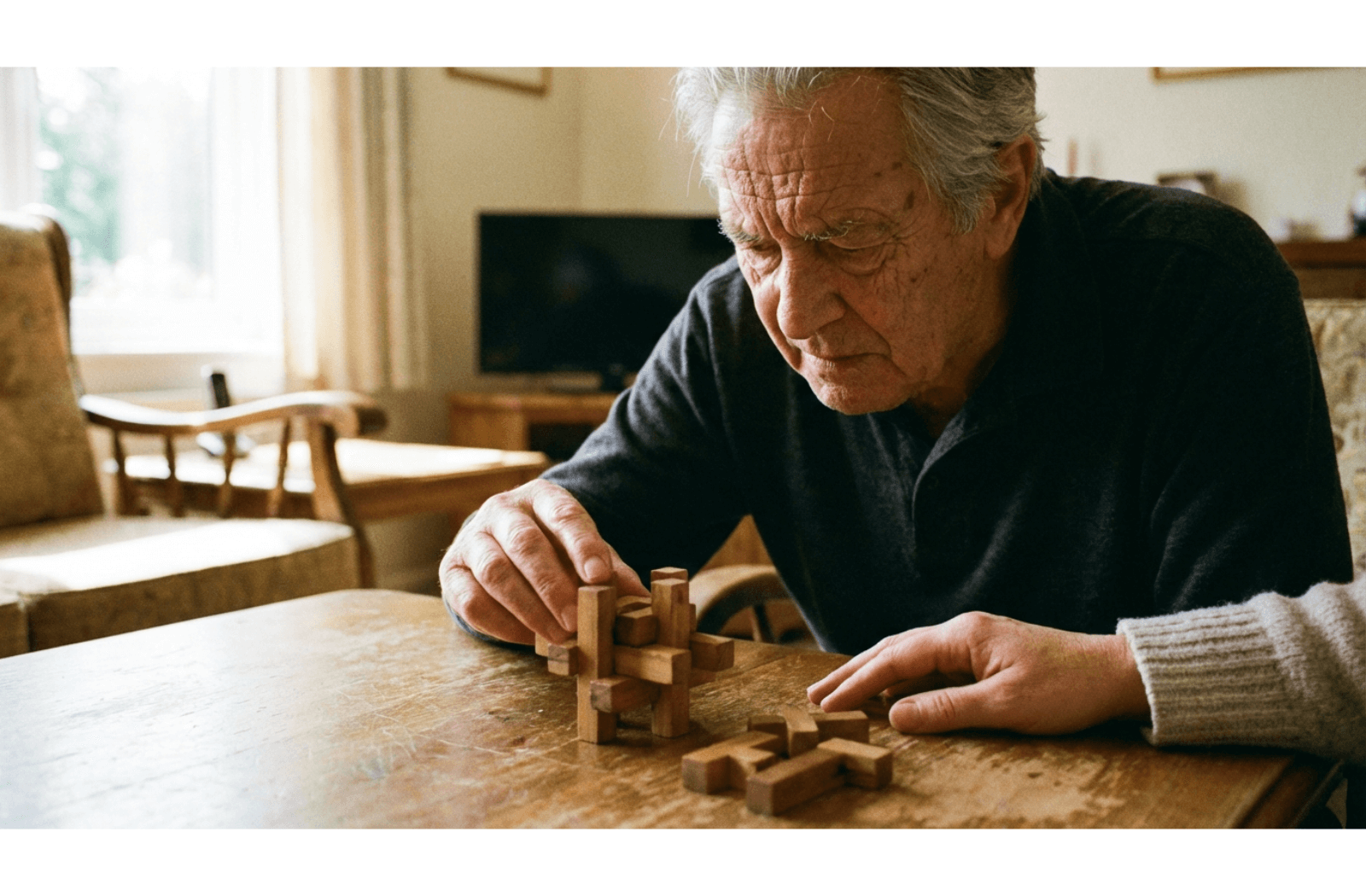
When you’re looking for support for a loved one experiencing memory loss, you want to understand your options. It’s a journey full of questions, and finding clear information can make the path forward much easier. At communities like Inspired Living at Ivy Ridge, the focus is on a holistic lifestyle that offers both safety and a high quality of life.
Memory care is a form of senior living that provides a supportive, structured environment and trained team members to help individuals with memory loss navigate their day. You can learn what to expect from a memory care community, which is designed to provide compassionate assistance with daily activities while encouraging independence and social connection.
Key Takeaways
- Memory care provides specialized support for individuals with memory loss in a safe, comfortable community.
- This form of senior living differs from assisted living because it focuses solely on the unique needs of those with cognitive changes.
- Core components include personalized care plans, activities that support well-being, and structured daily routines.
- Respite care offers a short-term stay option, allowing family caregivers to rest.
- When you choose a community, consider the team’s training, the social environment, and how they communicate with your family.
The Core Components of a Memory Care Program
A well-rounded memory care program combines several key elements to create a supportive, engaging daily routine. These components are thoughtfully designed to work together, promoting comfort and well-being for each person.
Personalized Care Plans
Your loved one’s journey is unique, and their care should be too. A personalized plan is created based on their individual history, preferences, and current needs. These plans often incorporate signature programs designed to address specific health and wellness goals. This approach helps the care team understand who your family member is as a person, allowing for more meaningful interactions.
Activities That Support Well-Being
Daily life offers opportunities for engagement that cater to different interests and abilities, such as gentle exercise, art, and music. These therapeutic activities for seniors support cognitive function and help residents connect. Participating in the arts can create paths to healthy aging by reducing feelings of loneliness and improving overall well-being.
A Structured and Reassuring Daily Routine
A predictable daily schedule can be exceptionally comforting for someone experiencing memory loss, as it creates stability and reduces anxiety. This structure, which often includes set times for meals, activities, and rest, supports a person’s internal clock and can lead to better sleep and a more positive mood.
Supportive Dining Experiences
Mealtimes are about more than just nutrition—they are also a time for social connection. A community’s approach to supportive dining experiences can make a significant difference in a resident’s nutritional health and daily enjoyment. This can include offering familiar foods and creating a calm atmosphere where residents can enjoy their meals together.
Who Benefits From Memory Care and Respite Care
Understanding who benefits most from memory care can help you make a thoughtful decision for your family. It’s about finding the right level of support at the right time.
For a Loved One Who Needs Specialized Support
Memory care may be a good option when a person requires more support than can be provided at home. If you notice your loved one is having difficulty with daily tasks, also known as activities of daily living (ADLs), or becoming isolated, a specialized community can offer the structure they need. Dedicated memory care services are tailored to assist those with cognitive conditions like Alzheimer’s or dementia.
When Safety at Home Becomes a Concern
Memory care communities are designed with safety in mind, featuring secure layouts and team members available around the clock. This addresses common challenges, like wandering, that can arise in a home environment. Understanding how to manage wandering behavior is a key part of providing a safe environment. You may also want to review apartment floor plans that are designed with accessibility and safety in mind.
When Family Caregivers Need a Break
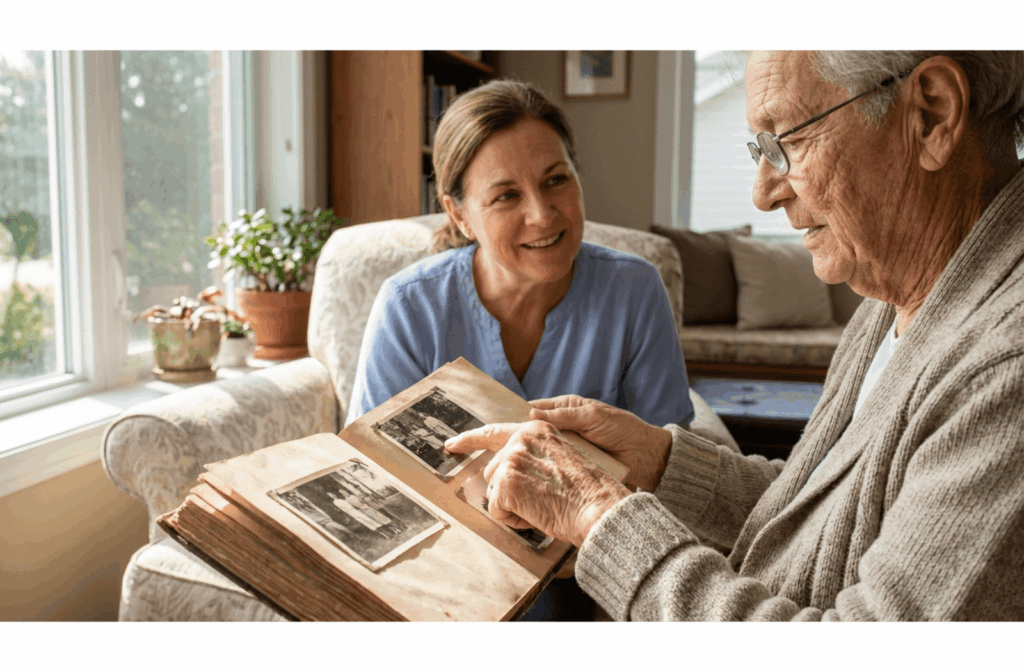
Caring for a loved one is rewarding, but it can also be demanding. Respite care offers caregivers a break, which is vital for preventing caregiver burnout. The benefits of respite care extend to everyone, offering new social opportunities for your loved one.
How to Select a Senior Living Community
When you explore your options, keeping several essential factors in mind can help you find a place where your loved one will feel comfortable and supported.
A Compassionate and Trained Team
The people who interact with your loved one every day are the heart of any community. Look for a team that is not only trained in working with individuals with memory loss but also shows genuine compassion. It’s helpful to come prepared with a list of questions to ask when choosing a memory care community, to understand the team’s approach better.
An Environment That Promotes Connection
A positive memory care environment encourages residents to build relationships and participate in group activities. People are often happier with more frequent social interactions, and this sense of community helps reduce feelings of isolation and provides a sense of belonging.
Communication With Family Members
Staying connected is essential for your peace of mind. A good community will have a system for providing regular updates and maintaining open lines of communication. This partnership between the care team and your family helps everyone stay informed and involved in your loved one’s care.
Explore Your Options at Inspired Living at Ivy Ridge
Navigating senior living can feel complex, but focusing on personalized support, safety, and connection can help you find the right community. This can enrich your loved one’s life while giving you peace of mind. At Inspired Living at Ivy Ridge, the team is dedicated to a lifestyle that supports the mind, body, and spirit.
If you’re exploring memory care or respite care options, contact us today to tour our community and help you understand the next steps for your family.